
The Secret Deal Casino, once a thriving establishment in the heart of Las Vegas, became a case study in mismanagement and ethical breaches that ultimately led to its implosion. Opened in 2015, the casino was initially praised for madcasino; mad-casino.uk.net, its innovative approach to gaming and entertainment. However, behind the glitzy facade lay a series of questionable practices that would eventually contribute to its downfall.
The casino was founded by a group of investors, including a prominent figure known for his connections to organized crime. This association raised eyebrows from the outset, but the casino’s management team was quick to dismiss any concerns, touting their commitment to transparency and compliance with gaming regulations. However, as time went on, it became clear that the casino was operating under a veil of secrecy, often engaging in deals that skirted the edges of legality.
One of the most significant issues was the casino’s involvement in money laundering activities. Reports surfaced that the establishment was allowing high rollers to exchange large sums of cash without proper documentation, raising suspicions among regulatory bodies. A whistleblower from within the casino revealed that employees were instructed to turn a blind eye to suspicious transactions, leading to an investigation by the Nevada Gaming Control Board.
As the investigation unfolded, it became apparent that the casino’s management had entered into secret deals with various stakeholders, including vendors and gaming suppliers, to inflate profits and hide losses. These backdoor agreements not only violated gaming regulations but also eroded trust among employees and patrons. The casino’s reputation began to suffer as word spread about its unethical practices, leading to a decline in customer traffic.
In a desperate attempt to save the casino, management implemented a series of cost-cutting measures, which included laying off staff and reducing operational hours. However, these measures only exacerbated the problems. The remaining employees were overworked and demoralized, further diminishing the quality of service that patrons had come to expect. As customer satisfaction plummeted, so did the casino’s revenue.
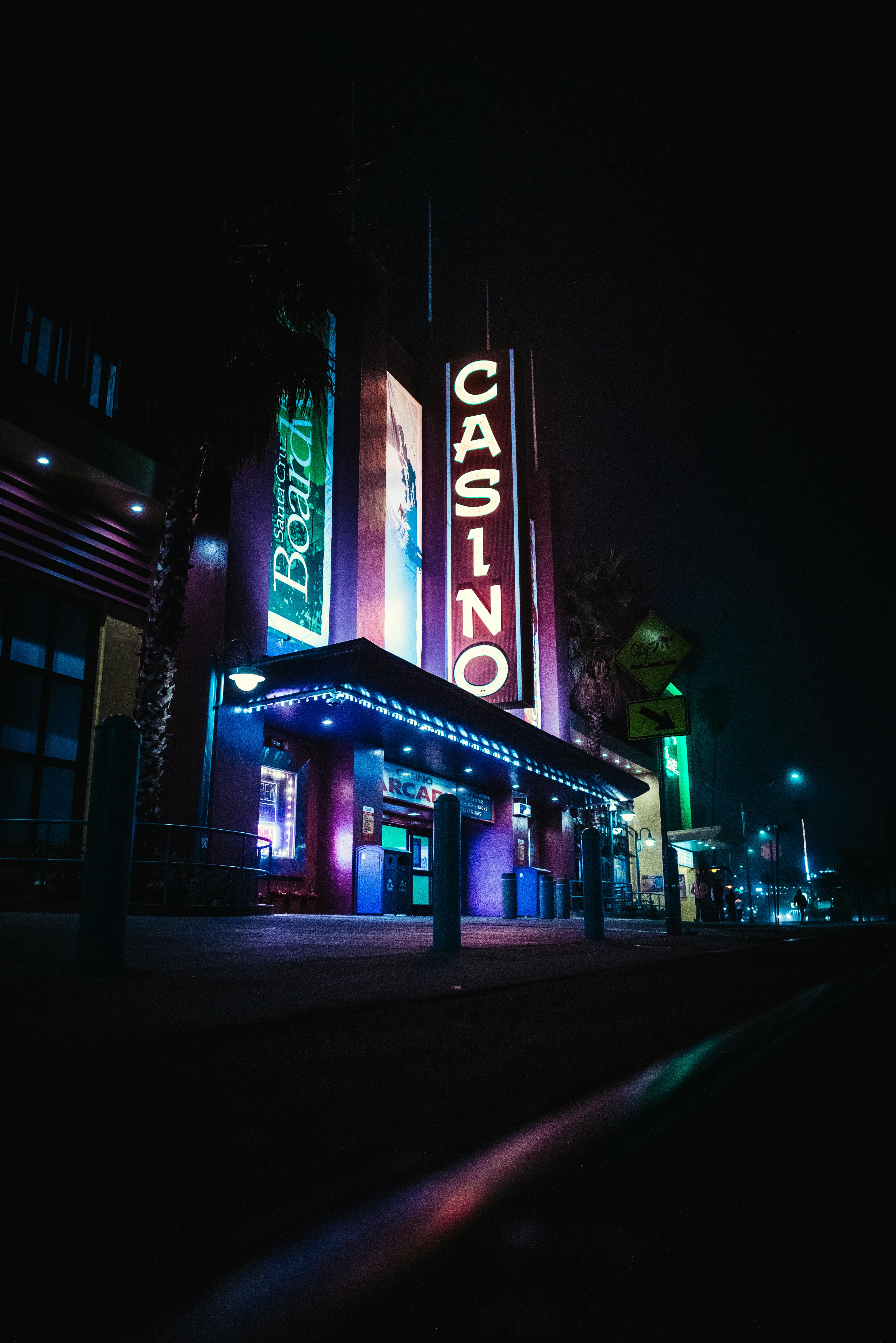
The tipping point came when the Nevada Gaming Control Board suspended the casino’s license pending further investigation. This news sent shockwaves through the gaming community, and investors began to pull out, fearing the repercussions of being associated with a failing establishment. The once-bustling casino was now a ghost town, with empty slot machines and darkened gaming tables.
Ultimately, the Secret Deal Casino filed for bankruptcy in early 2020, marking a dramatic end to what was once seen as a promising venture. The fallout from the scandal prompted widespread reforms in the gaming industry, with regulators tightening oversight and increasing scrutiny of casino operations. The case of the Secret Deal Casino serves as a cautionary tale about the dangers of unethical practices and the importance of transparency in the gaming industry. It highlights how quickly a seemingly successful venture can unravel when integrity is compromised, leaving behind a legacy of mistrust and lost opportunities.